
Editor's Picks
Latest Stories


Blog Post
Unleashing your workforce's potential: The power of user-generated content
As HR professionals, we're constantly seeking ways to empower employees, optimize internal resources and drive organizational growth. User-generated content (UGC) offers a transformative approach, leveraging the collective knowledge and skills of your workforce to unlock a multitude of benefits, regardless of industry, geography or the maturity of your organization.

Blog Post
Causes, consequences and solutions for the talent drought
As we inch closer to 2024, organizations find themselves in the middle of a talent drought. This worker shortage is sending shockwaves through various industries, becoming a pervasive concern from boardrooms to production plants. The lack of qualified employees will shape next year’s global economic landscape.
Datasheet
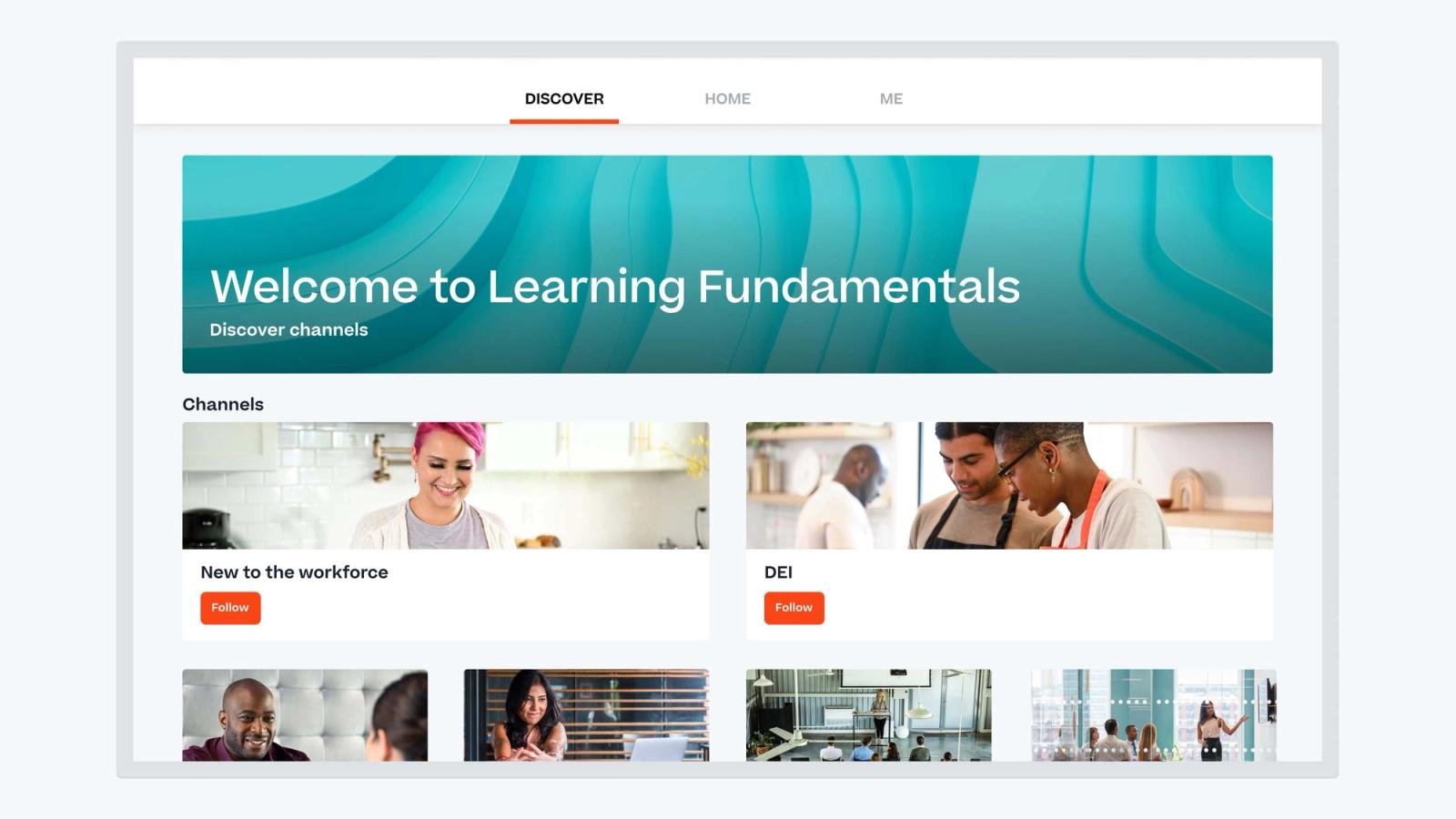
Cornerstone Learning Fundamentals
Learning has never been more critical to an organization’s success. You need to deploy and track required training, upskill your people to meet emerging business needs, and provide growth opportunities to retain your high performers. But you also need an all-in-one, easy to administer, and quick-to-deploy solution that fits your mid-sized organization.
Trends at Work


Article
Measuring what matters: Getting started with reporting and analytics
If you can’t measure it, you can’t manage it. While there are endless variations and misattributions of that line, it’s not a bad box to tick when getting serious about setting strategy for reporting and analytics. After all, it’s generally helpful to know whether what you’re doing is working. But that doesn’t go quite far enough. Go beyond what you manage; measure what matters.

Skills Building

Blog Post
Skills tied to success: A new era in performance hiring
In today's workplace's hustle and bustle, an exciting change is happening in how we hire. We're moving away from the traditional ways and stepping into a fresh era where skills take center stage in the performance hiring spotlight. Curious about this shift? Let’s dive into why skills are becoming the key players in predicting and ensuring success in the workforce.

Datasheet
Cornerstone Performance: Holistic talent development that drives business forward
Whether you do performance reviews only once a year or have a robust, continual performance management process, with Cornerstone Performance, you can set goals, coach employees, receive feedback, guide development, and give recognition. Seamlessly link performance and skills data with internal learning opportunities to enable employee-driven, manager-supported growth. Because the best way to invest in business growth and achievement is by investing in the growth and achievements of your people with Cornerstone Performance.

eBook
Supercharge skill development through performance planning
As an HR professional, you have to keep your entire organization ahead of the curve to succeed. Skills are the bridge connecting individual performance and holistic growth within your organization. In other words, for your entire company to achieve its potential, every person on your team needs to achieve their own goals first.
Talent Strategy
Blog Post
Causes, consequences and solutions for the talent drought
As we inch closer to 2024, organizations find themselves in the middle of a talent drought. This worker shortage is sending shockwaves through various industries, becoming a pervasive concern from boardrooms to production plants. The lack of qualified employees will shape next year’s global economic landscape.
Datasheet
Cornerstone Learning Fundamentals
Learning has never been more critical to an organization’s success. You need to deploy and track required training, upskill your people to meet emerging business needs, and provide growth opportunities to retain your high performers. But you also need an all-in-one, easy to administer, and quick-to-deploy solution that fits your mid-sized organization.